The Agile Product Owner (PO) is a pivotal role in any Agile team, acting as the bridge between stakeholders and the development team. The PO is responsible for maximizing the value of the product resulting from the work of the development team. To excel in this role, Product Owners use a variety of techniques to manage the product backlog, communicate vision, and ensure the team delivers value.
Understanding the Product Owner Role
The Product Owner is responsible for: defining the product vision and strategy, managing and prioritizing the product backlog, ensuring the team understands the requirements, and acting as the primary liaison between stakeholders and the development team.

Key Techniques for Agile Product Owners
1. Backlog Refinement
Backlog refinement (or grooming) is the process of reviewing and updating the product backlog to ensure it is up-to-date and prioritized. Techniques include breaking down large epics into smaller, actionable user stories, prioritizing items based on business value and urgency, and collaborating with stakeholders and the development team for clarity.

2. User Story Mapping
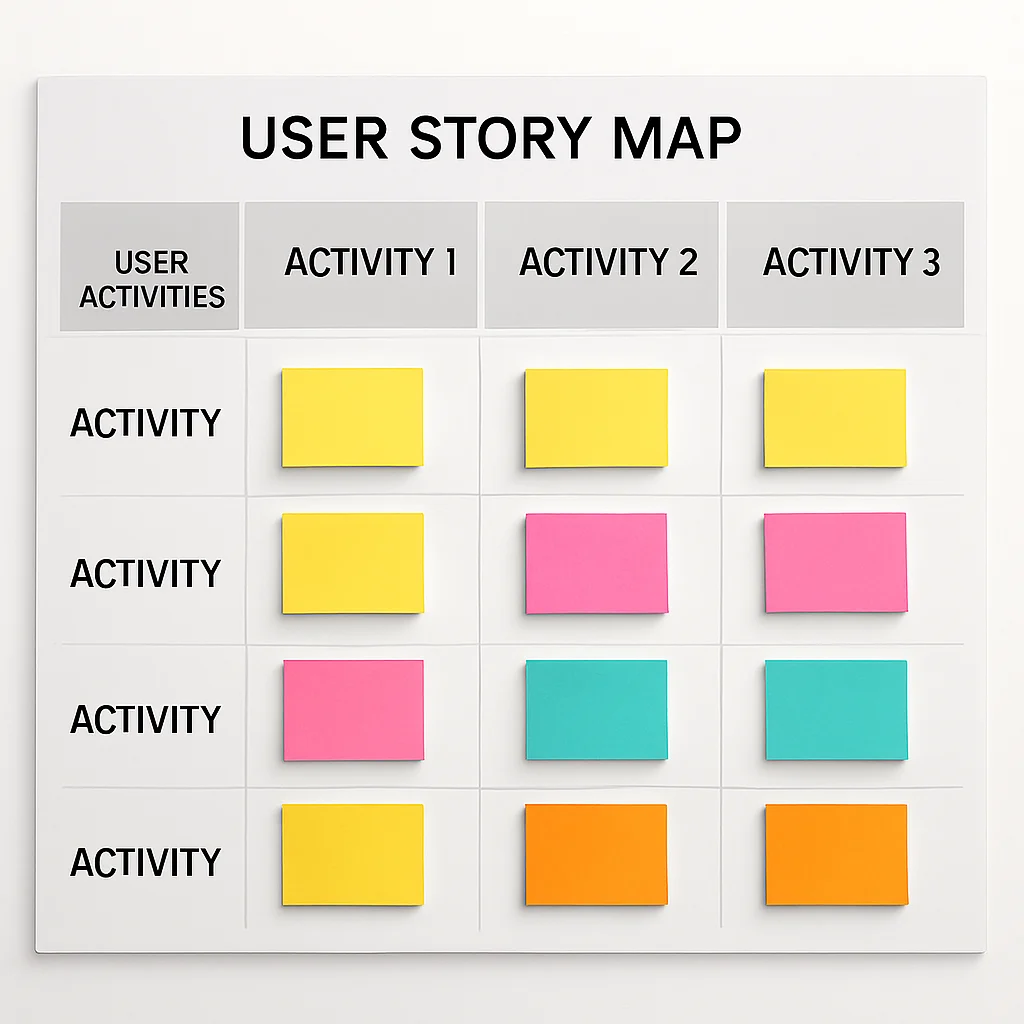
User story mapping helps visualize the user journey and identify gaps in the product. This technique allows Product Owners to organize user stories by workflow, prioritize features that deliver the most value, and ensure a holistic view of the product experience.

3. Prioritization Frameworks
Product Owners use frameworks to prioritize backlog items, such as MoSCoW (Must have, Should have, Could have, Won’t have), the Kano Model, and Weighted Shortest Job First (WSJF). These frameworks help make objective decisions about what to build next.
4. Stakeholder Engagement
Regular communication with stakeholders is crucial. Techniques include holding regular review meetings and demos, gathering feedback through surveys or interviews, and maintaining transparency about progress and changes.
5. Acceptance Criteria & Definition of Done
Clear acceptance criteria ensure that the development team understands when a user story is complete. The Product Owner should define specific, testable acceptance criteria for each story and collaborate with the team to establish a shared Definition of Done.
6. Release Planning
Product Owners plan releases by grouping user stories into releases based on business goals, communicating release plans and timelines to stakeholders, and adjusting plans based on feedback and changing priorities.
Best Practices for Agile Product Owners
Be available and regularly interact with the team and stakeholders. Embrace feedback and use feedback loops to improve the product. Stay focused on value by always prioritizing work that delivers the most value to users and the business. Continuously learn and stay updated on Agile best practices and tools.
Conclusion
The Agile Product Owner role is dynamic and challenging, requiring a mix of strategic thinking, communication, and technical understanding. By mastering these techniques, Product Owners can ensure their teams deliver high-value products that delight users and meet business objectives.
Leave a Reply